Factory Inspection Checklist for International Buyers to Verify Konjac Instant Rice Supplier Credibility
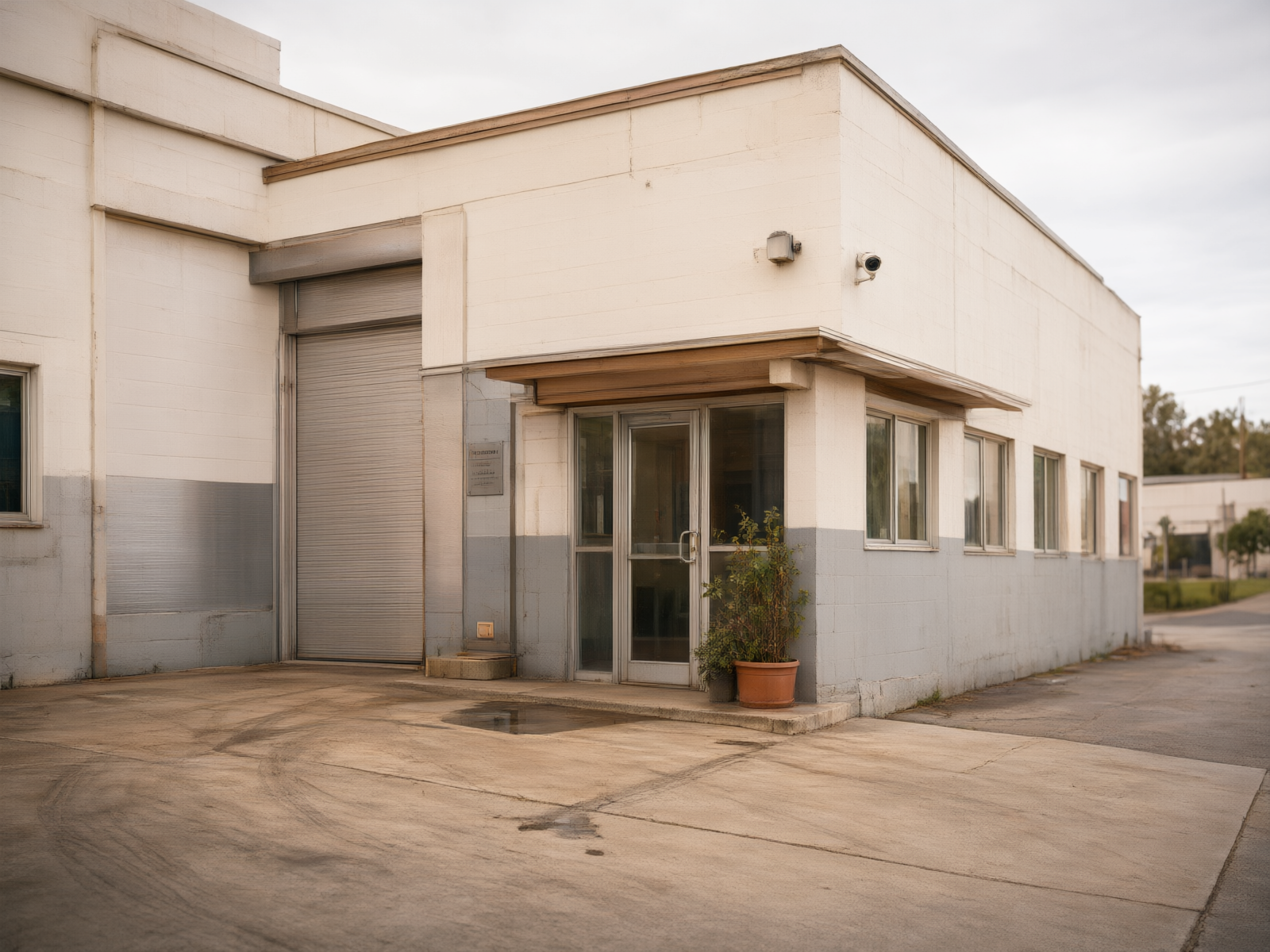
The growth of the konjac health food export market has made supplier screening a critical part of procurement. For international buyers, a systematic factory inspection checklist enables a comprehensive evaluation of supplier capabilities within limited time. The following outlines key inspection points across five dimensions.
1. Production Environment and Equipment Configuration
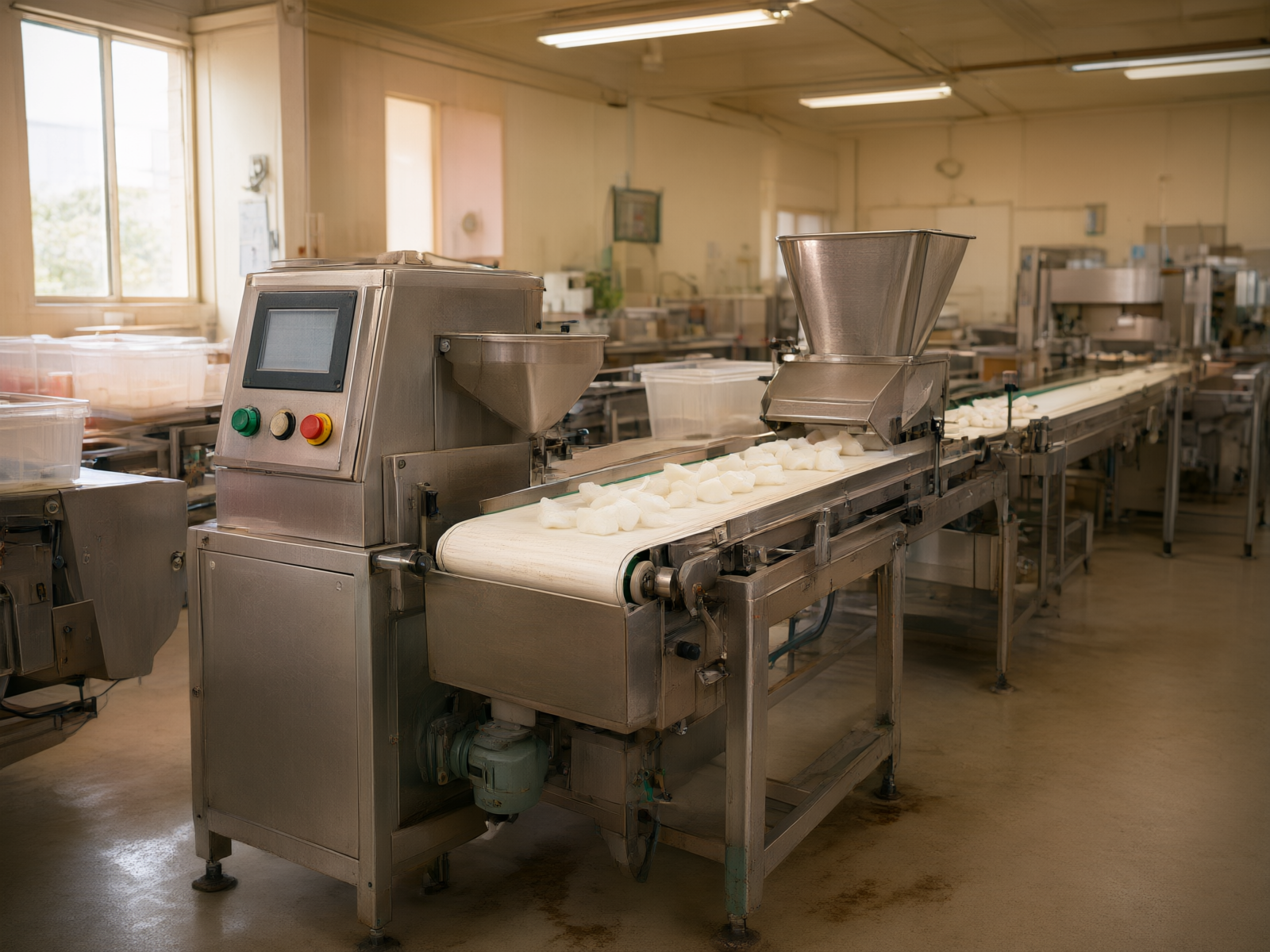
The first step of the on-site factory inspection is to verify that the production environment meets food safety standards. Konjac instant rice must be processed in clean rooms equipped with air purification systems, temperature and humidity control equipment, and work surfaces and tools compliant with food hygiene requirements.
For equipment configuration, focus on the models and operating status of core processes: cleaning, shredding, steaming, drying, and packaging. Modern production lines enable full automation from raw material input to finished product output, minimizing quality fluctuations caused by human intervention. Equipment maintenance records are key indicators of supplier management; ensure complete logs for maintenance schedules, fault resolution, and parts replacement.
2. Raw Material Traceability and Quality Testing
The quality of konjac raw materials directly determines the dietary fiber content and taste performance of finished products. During inspection, suppliers must provide raw material procurement contracts, origin certificates, and batch inspection reports. High-quality konjac planting bases are typically located in mountainous regions above 800 meters in altitude, where significant day-night temperature differences promote glucomannan accumulation.
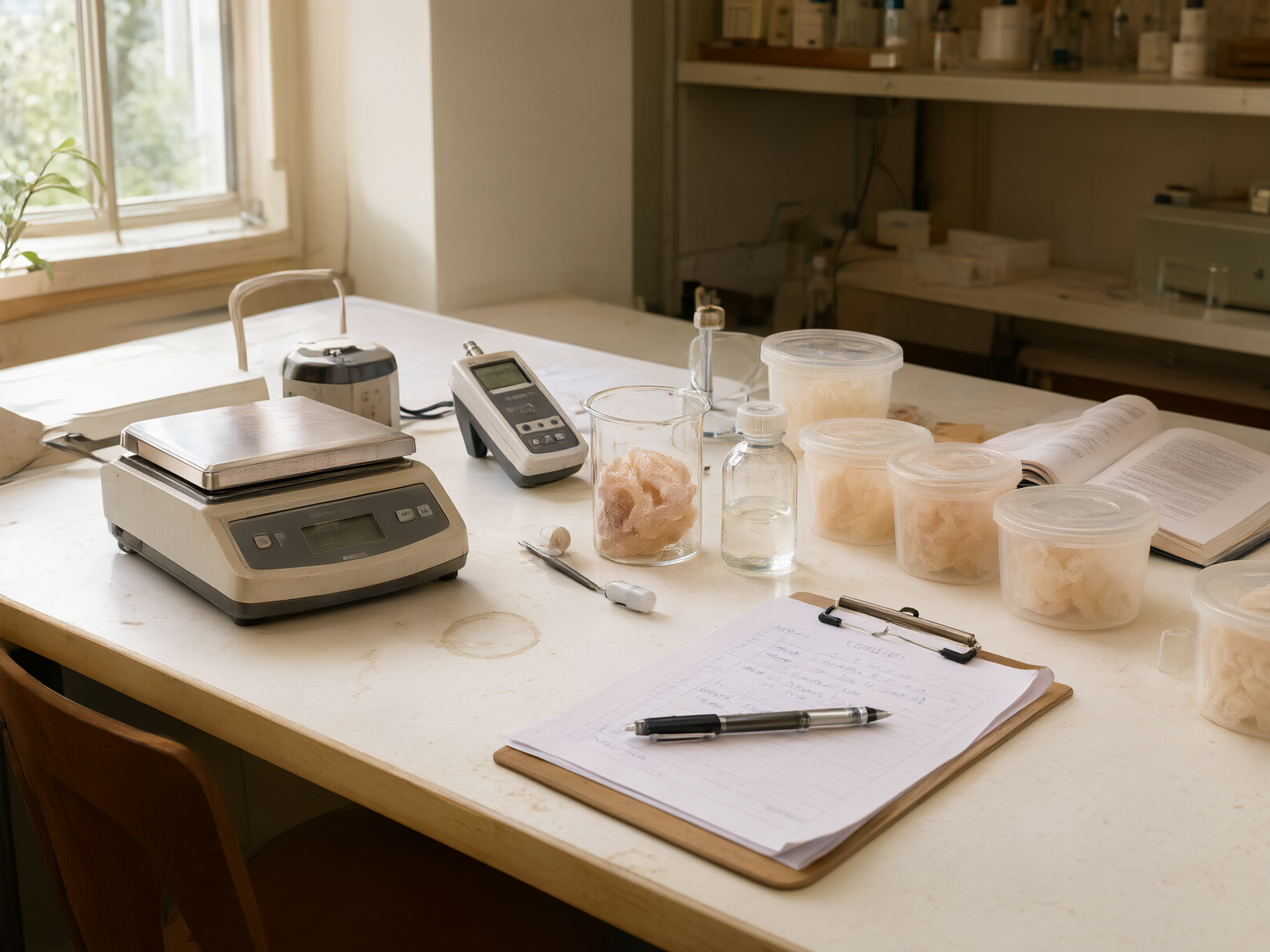
Pre-warehouse inspection of raw materials covers three core parameters: moisture content, impurity ratio, and microbial indicators. Suppliers must have rapid testing equipment to complete batch spot checks within 2 hours and issue reports. For export orders, verify that raw materials meet the target market's pesticide residue limits and heavy metal requirements.
3. Production Process Standardization Level
The konjac instant rice production process includes four key steps: raw material pretreatment, forming, maturation, and drying. Each step must follow clear standard operating procedures (SOPs) for temperature, time, and pressure, with all parameters traceable in production records.
During inspection, randomly select production records from three batches to verify that parameter settings match actual execution. Facilities with high standardization control weight deviations across batches within ±2% and moisture content fluctuations within 0.5%, reflecting process control stability.
4. Quality Control System and Document Management
A complete quality control system should cover three stages: raw material warehousing, production process, and finished product shipping. Each stage must define clear inspection standards, sampling methods, and acceptance criteria.
Finished product inspection items typically include sensory attributes (color, odor, rehydration), physical and chemical parameters (moisture, ash, dietary fiber content), and microbial indicators (total plate count, coliforms, pathogenic bacteria). Suppliers must provide type inspection reports issued by third-party testing laboratories; such reports are generally valid for one year.

For document management, ISO 9001, HACCP, FDA registration, and other certifications are baseline requirements. More critical are daily operational records: raw material inspection logs, production batch records, finished product inspection reports, and customer complaint handling documentation. The completeness and traceability of these records matter more than the certificates themselves.
5. Supply Chain Stability Assessment
For buyers seeking long-term partnerships, a supplier's production capacity and delivery reliability matter more than a single quote. During evaluation, require suppliers to provide data on output, inventory turnover, and on-time delivery rates for the past 12 months.
Capacity assessment must distinguish between design capacity and actual capacity. Design capacity represents the theoretical maximum output of equipment, whereas actual capacity is influenced by order fluctuations, equipment maintenance, and staffing levels. Stable suppliers typically maintain an actual capacity utilization rate of 60%-80% to ensure delivery flexibility while avoiding cost pressures from over-expansion.
For inventory management, the shelf life of konjac instant rice is typically 12-18 months. A sound strategy is to keep 1-2 months of safety stock, meeting urgent orders while avoiding capital tied up in excess inventory.
---
Factory inspection is necessary but not sufficient for supplier screening. The checklist's value lies in offering a structured evaluation framework to help buyers gather key information within limited time. Final cooperation decisions must also be made by integrating sample testing, small-batch trial orders, customer feedback, and other factors.
For konjac health food suppliers, transparent production and standardized management are essential to earning the trust of international buyers. From raw material traceability to finished product delivery, the verifiability of every step is the foundation of supply chain credibility.